An English version is provided below. I have used AI assistance for the translation, but I have checked the text myself.
ランカスターに戻ると秋になっていた。
夏の家族旅行へ出る前には、夜10時になってもどこかに昼の名残があった。
それが、この文章を書いている9月20日には、夜7時を過ぎるともう暗い。朝、外へ出ると息が白くなる日さえある。
英国へ来た3月、私は10代の頃から着ているマウンテンパーカーを身につけていた。
それを脱ぎ、長い夏を過ごし、また同じ服を取り出そうとしている。
半年が経ったのだ。
9月の空気には、私にとって少し特別なところがある。
2016年、ドイツでの留学生活を始めたのもちょうどこの季節だった。
乾いて少し冷たい空気のなかを歩いていると、それまで忘れていたはずのことが不意に戻ってくる。街並みが似ているわけでも、言葉が同じなわけでもない。それでも身体の方が先に「あのときと同じ季節だ」と気づくらしい。
記憶には、頭で思い出すものと、身体が勝手に思い出すものがある。
英国での生活にも、季節の変化とともに小さな変化が出てきた。
その一つが紅茶である。
こちらへ来てから、夏でもずっと温かいものを飲んでいた。なかでも紅茶は、Yorkshire Teaにミルクを入れて、ほとんど毎日、水のように飲んでいた。
水のように飲んでいたのだが、飲めば飲むほど違いが分かるようになってきた。
最近はLancashire TeaやCornish Teaまで加わって、その日の気分で飲み分けている。大学院へ進んで以来、嗜好品といえばもっぱらコーヒーだったので、机の上に選択肢が増えたのは嬉しい。

味覚が洗練されたとは言わない。
半年住めば、人間は紅茶にも少しうるさくなる、という程度である。
そして、この9月、家のなかにも大きな変化があった。
長男のReceptionが始まった。
イングランドでは、多くの子どもが4歳になった後の9月からReceptionへ通い始める。
義務教育年齢そのものはもう少し後なので、制度上、Receptionへの入学と義務教育の開始は厳密には同じではない。
しかし、制服を着た長男を見ると、制度上の区別などとは別に、親の側にははっきりと「学校が始まった」という感じがする。
この夏、4歳と3歳の男の子が一か月以上、毎日家にいた。
朝から晩まで、何かが起きていた。
喧嘩をする。走る。泣く。笑う。お腹が空いたと言う。片づけた場所を散らかす。怪我をする。ようやく静かになったと思えば、大抵あまり静かにしていてほしくないことをしている。
それが9月になり、長男は平日の8時45分から15時20分まで学校へ行くようになった。
驚くほど静かになった。
仕事ができる。
本が読める。
文章が書ける。
嬉しい。
嬉しいが寂しい。予想はしていたけれど。
長男が生まれてから、3歳で幼稚園へ入るまで、長時間どこかへ預けることはほとんどなかった。振り返ればこの数年、研究や大学の仕事、共同研究、TRIADEなど、いろいろなことに首を突っ込み、不出来や不甲斐なさを感じながらも、それなりに懸命にやってきた。
けれど、その真ん中にあったのは、やはり子育てだったのだと思う。
その長男が家から出ていく。
Receptionが始まってすぐ、一度だけ、ひどく登校を嫌がった朝があった。
「行きたくない」
と泣く。
なだめたり、すかしたりしながら、考えてみれば当然だと思った。
ある程度英国での生活には慣れたとはいえ、言葉も違う。周囲にいる人も違う。その場所へ、4歳の子どもが一人で入っていく。
それは怖いだろう。
そう思うと、こちらまで泣きたくなった。
ところが翌朝、長男は宣言した。
「今日は泣かずにいける!」
学校が近づくにつれて、その決意はやや怪しくなった。
それでも行った。
校門を通り、教室の入口まで歩いていった。
子どもの成長について、大人はつい、「できるようになったこと」を数えたくなる。
字が書けるようになった。
英語が話せるようになった。
一人で着替えられるようになった。
しかし、あの朝の長男を見ながら、成長というのは、できなかったことができるようになることだけではないのだと思った。
怖いまま行く。
泣いた次の日に、もう一度やってみる。
そういうこともまた、人が育つということなのだろう。
不思議なもので、この行き渋りは渡英直後から夏まで通ったnurseryでは見られなかった。「学校」という独特な雰囲気を、子どもなりに感じているのだろう。
※
『この世界の片隅に』のこうの史代さんに、『さんさん録』という作品がある。
先立つ妻が、長年連れ添った夫に、自分が死んだ後、日常生活のちょっとしたやりとりに困らないよう残したティップス集をめぐる物語である。
掃除の仕方、料理の仕方、裁縫の仕方、家族の好きなもの、その他なんでも「おばあちゃんの知恵袋」の中身が記されている。
その冒頭、妻の祈りが次のように記される。
わたしはあなたにこんなものしか渡せないけれど
この世で私の愛したすべてが
どうかあなたに力を貸してくれますように
私は感傷的な人間なので、自分から離れる愛おしいもの全てに、この言葉を捧げてしまう。
※
もちろん私などが祈らずとも、学校の先生方はずいぶん息子を助けてくれている。
担任の先生だけではない。校門に立っているスタッフまで長男の名前を覚えていて、姿を見つけると声をかけてくれる。
教室へ入る前、入り口で待っている担任の先生に、その日自分が食べる給食を、三種類から選んで伝える。
ハムサンドイッチの日もあれば、お肉のローストの日もある。
先生に尋ねられると、長男は照れくさそうに目を伏せ、それでもなんとか自分で答えた。
ほんの数語である。
しかし、その数語を口にするために、4歳の彼が毎朝どれほどの勇気を使っているのかを、私は以前より少し想像できるようになった。
こちらへ来て半年間、自分自身が似たようなことをしてきたからかもしれない。
挑戦することのメリットは、同じく挑戦している人に対してリスペクトができるようになることだな、と思う。
次男の方も、9月からPreschoolが始まった。
入口まで行くと、別れを惜しむ様子もあまりなく、そのままずんずん中へ入っていく。
親としては、「寂しくないのか」と少しだけ言いたくもなる。
もちろん寂しいのだろう。お迎えの際には、ドラマティックなまでに再会の感激を全身で表現してくれる。きっと、家では見せない顔で、いろいろなことに挑戦しているに違いない。
次男は月、水、金曜日の8時から13時までPreschoolへ通っている。以前も触れたが、3、4歳児には、イングランドで年間570時間、通常は週15時間を38週にわたって利用できる無償のearly education and childcareの枠がある。
海外から移り住んだ3、4歳児についても、同じ基準で利用できるよう地方自治体に求められている。
5時間を週3日。
数字にするとそれだけだが、3歳児には十分な「勤務」らしい。
Preschoolへ行った日は帰宅すると昼寝をする。それ以外の日には、もうほとんど寝なくなった。
6月に折った前歯の治療も終わった。
歯一本分だけ少し隙間のある口を開けて、今日もよくしゃべり、よく食べ、よく笑っている。
二人の子どもが、それぞれの場所へ通い始めた。
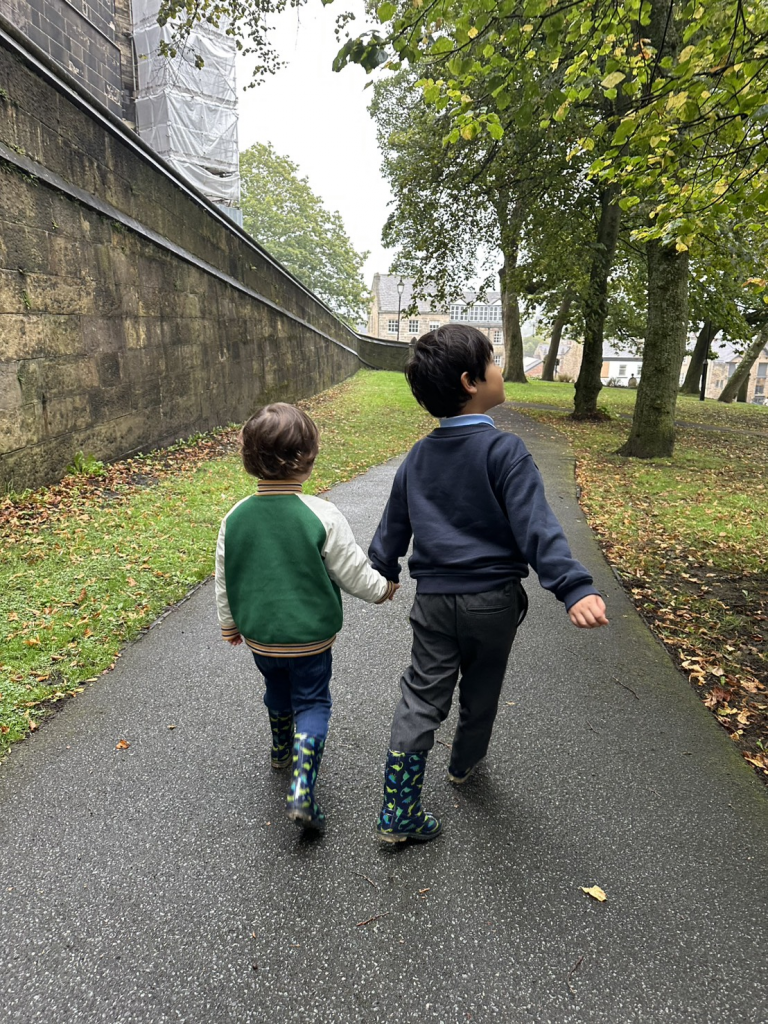
家は静かになった。
そして私は、その静けさのなかで研究をする。
この9月は、人が出ていくだけでなく、人がやって来る月でもあった。
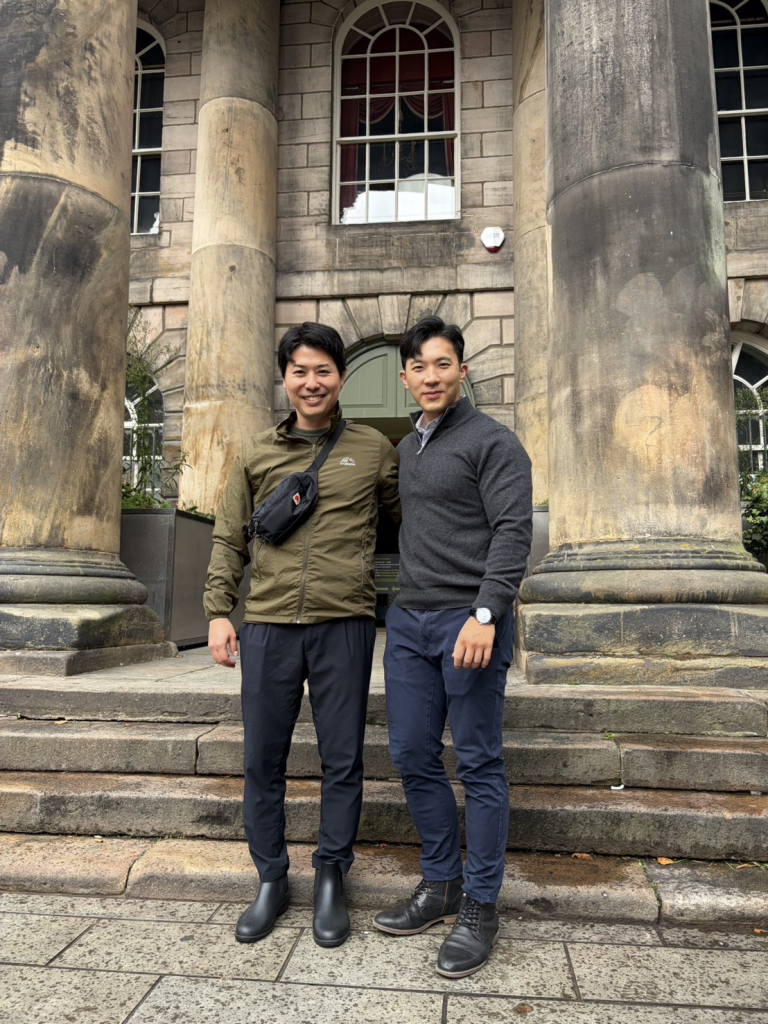
義父母や妻の妹がランカスターを訪れ、アメリカから古い友人も来てくれた。そして今日からは、シルバーウィークを利用して日本から妹がやって来る。
アメリカの友人と会うのは、およそ10年ぶりだった。
もともとは広島大学へ留学に来ていた学生である。最後に会ったのはシアトルだった。
久しぶりに会うと、ずいぶん逞しくなっていた。
米軍での勤務も経験し、身体も大きくなっている。
単純に、格好よくなったなと思った。
10年という時間は、会わないでいると一瞬だが、目の前に本人が現れると、その人の身体にきちんと刻まれている。
話しているうちに、思いがけないことも分かった。
私たちの共通の知人が、パラオ出身だという。
パラオは、私にとって最近とみに気になる場所である。
芦田恵之助は戦前、南洋群島で用いられた日本語読本の編纂に関わっていた。モントリオールでの発表でも、この問題を、教育における自己表現と統制を考えるための重要な事例として扱った。
近いうちに現地へ行きたいと思っていた。
そこへ、10年ぶりに会った友人との会話から、また一つ人のつながりが現れた。
来年の夏、今度はパラオで会おう、と話した。
研究というものは、ときどき、机の上で立てた計画とはまったく別のところから道が開く。
前回書いたシェフィールドの資料調査もそうだった。
人に会う。
話をする。
すると、自分がずっと遠くにあると思っていた場所まで、誰かと誰かの間をたどっていけば、意外なほど近くにあることがある。
半年間英国に暮らして、以前に増して人に会うことが好きになったような気がする。
その一方で、この一か月は身体について考える月でもあった。
持病の薬を英国で継続してもらうために医療機関を受診した。
そして、その少し後には長男と二人で40度近い熱を出した。
子どもは比較的早く立ち直った。
私は3日ほど寝込んだ。
こういうところでは、若さの差が容赦なく出る。
子ども二人のVisa延長手続きにも、50万円を超える費用がかかった。
英国へ来てから、何度「予想外の出費」という言葉を使ったか分からない。
研究費のことを考え、生活費のことを考え、Visaのことを考え、薬を飲み、子どもの体温を測る。研究だけを取り出して生きることはできない。
今週からは、ランカスター大学で受け入れてくださっているBrett Bligh先生との共同研究も、本格的に再始動する。
オンラインで行うChange Laboratoryをどのように設計し、そこで生じる学習や変化をどう捉えるのか。これまで話してきたことを、具体的な研究へ移していく。
23日にはグラスゴーへ行き、台湾の研究者のレクチャーに参加する。大学院時代にもALPEでお世話になった先生である。
29日からはドイツへ向かう。
10月にはUniversity of Strathclydeで講演する予定があり、その直後にはCambridgeで、翻訳に取り組んでいるPeter Cunningham先生を訪ねる話も進んでいる。
予定表だけを見ると、またずいぶん忙しくなってきた。
その一方で、毎朝8時45分になると、長男は学校へ行く。
月、水、金曜日には、その少し前に次男もPreschoolへ行く。
二人を送り出したあと、家の扉を閉める。
静かになる。
紅茶を淹れる。
そして机に向かう。
以前なら、その静かな時間を「ようやくタスクを解消できる時間」とだけ考えていたかもしれない。
いまは少し違うように感じる。
自分が社会と繋がっている感覚が嬉しい。
同時に、ドタドタと床を走る音や、兄弟喧嘩の声がしないことを寂しいとも思う。
この二つは、どうやら矛盾しないらしい。
教育について研究していると、「自立」という言葉によく出会う。
子どもが一人でできるようになること。
親や教師から離れていくこと。
たしかに、それも自立なのだろう。
けれど、子どもを送り出す側になってみると、少し違って見える。
自立とは、一人で何でもできるようになることではないのかもしれない。
子どもたちは、先生に名前を覚えてもらっている。
校門で声をかけてくれる人がいる。
教室では、今日食べたいものを尋ねてくれる人がいる。
そういう人たちのいる場所へ、親の手を離れて入っていく。
人は誰かから離れることで、一人になるのではない。
別の誰かとの関係へ入っていく。
そう考えると、私自身のこの半年も、それほど違わないように思えてくる。
日本の大学を離れて英国へ来た。
マンチェスターからランカスターへ移った。
モントリオールへ行き、人と出会った。
これからグラスゴーへ行き、ドイツへ行き、また別の人たちと話す。
送り出してくれる場所があるから、別の場所へ入っていける。
そして、戻る場所があるから、少し遠くまで行ける。
9月のランカスターには、オレンジ色の実が目立つようになった。
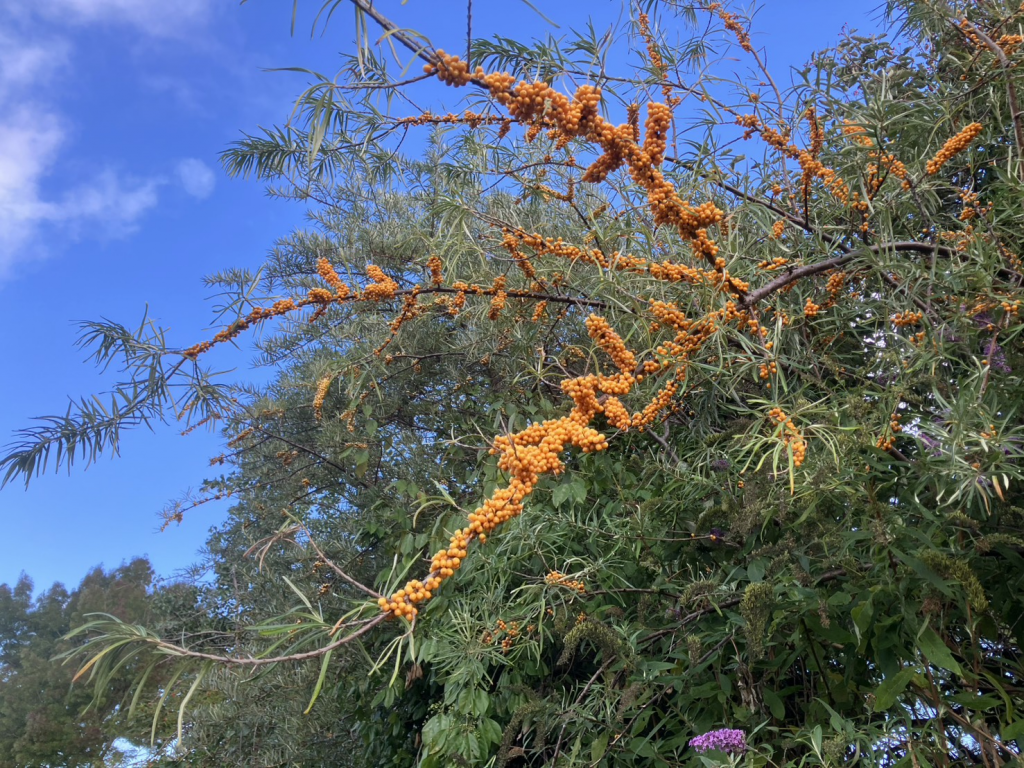
空はまだ青いが、朝晩の空気にはもう夏の気配がない。
今日からまた新しい1週間が始まる。次男は小さなリュックを背負ってみんなを玄関に集めた後、見送られ手を振りながら家を出ていく。
長男も制服を着て、少し葛藤するそぶりを見せながら、それでも急に思い立ったようにハイタッチをして出ていった。力強い足取りだ。
私は二人と、彼らと同行する妻を見送り、部屋へ戻る。
お湯を沸かす。
今日は、Lancashire Teaにしようと思う。
Notes from My Stay in the UK, No. 9:
Children Leaving Home
When we returned to Lancaster, autumn had arrived.
Before we left for our summer family trip, there was still some trace of daylight in the sky even at ten at night.
Now, as I write this on 20 September, it is already dark after seven. There are even mornings when I step outside and can see my breath.
When I arrived in the UK in March, I was wearing a mountain parka that I have had since my teenage years.
I took it off, passed through the long summer, and now find myself preparing to take the same jacket out again.
Six months have passed.
There is something special about the air in September for me.
It was in this very season, in 2016, that I began my period of study in Germany. When I walk through the dry, slightly chilly air, things I thought I had forgotten suddenly return to me. The streets are not the same, nor is the language. And yet my body seems to notice before my mind does: this is the same season as back then.
Some memories are recalled by the mind. Others seem to be remembered by the body on its own.
As the seasons have changed, small changes have also appeared in my life in Britain.
Tea is one of them.
Since coming here, I have continued to drink hot drinks even through the summer. Tea in particular became an almost daily habit: Yorkshire Tea with milk, which I drank almost like water.
I drank it like water, but the more I drank, the more I began to notice the differences.
Recently, Lancashire Tea and Cornish Tea have joined the selection, and I now choose among them depending on my mood. Ever since I entered graduate school, coffee had been almost my only everyday indulgence, so I am rather pleased to have a little more variety on my desk.
I would not go so far as to say that my palate has become sophisticated.
It is more that, after six months here, I have become just a little particular about tea.
And this September, there has been a much bigger change at home.
Our eldest son has started Reception.
In England, many children begin Reception in the September after they turn four.
Since compulsory school age begins somewhat later, starting Reception and reaching compulsory school age are not, strictly speaking, the same thing.
But when I look at my son in his school uniform, such institutional distinctions matter little. As a parent, I have a very clear sense that school has begun.
This summer, our four-year-old and three-year-old boys were at home every day for more than a month.
Something was happening from morning until night.
They fought. They ran. They cried. They laughed. They said they were hungry. They messed up places we had just tidied. They got hurt. And whenever things finally became quiet, they were usually doing something for which silence was not a particularly reassuring sign.
Then September came, and our eldest began going to school from 8:45 a.m. until 3:20 p.m. on weekdays.
The house became astonishingly quiet.
I can work.
I can read.
I can write.
I am happy.
I am happy, but I miss him. I had expected that I would, but still.
From the time our eldest was born until he started kindergarten at three, we hardly ever left him anywhere for long periods. Looking back over the past few years, I have involved myself in all sorts of things—research, university work, collaborative projects, TRIADE—and although I have often felt inadequate or disappointed in myself, I think I have worked fairly hard at them.
Yet at the centre of those years, after all, was raising our children.
And now our eldest son is leaving home.
Not long after Reception began, there was one morning when he really did not want to go to school.
“I don’t want to go.”
He cried.
As I tried to coax and comfort him, I realised that, when I thought about it, his reaction was perfectly understandable.
He may have become reasonably accustomed to life in Britain, but the language is different. The people around him are different. And a four-year-old child has to walk into that place on his own.
Of course it must be frightening.
Once I thought of it that way, I felt like crying too.
But the next morning, he announced:
“Today I can go without crying!”
As we got closer to school, his determination began to look a little less certain.
Still, he went.
He passed through the school gate and walked all the way to the classroom door.
When adults think about children’s development, we tend to count the things they have become able to do.
They can write.
They can speak English.
They can get dressed by themselves.
But watching my son that morning, I thought that growing up is not only about becoming able to do what one could not do before.
Going even though you are still afraid.
Trying again the day after you cried.
Perhaps that, too, is part of what it means to grow.
Curiously, we never saw this reluctance when he attended nursery from shortly after our arrival in Britain until the summer. Perhaps, in his own way, he senses something distinctive in the atmosphere of “school.”
*
Fumiyo Kouno, the author of In This Corner of the World, also created a manga called Sansanroku.
It is a story centred on a collection of tips left by a wife who has died before her husband, so that the man with whom she had spent so many years would not struggle with the small practicalities of everyday life after she was gone.
How to clean. How to cook. How to sew. What members of the family like. All sorts of things are written down in what amounts to a grandmother’s book of household wisdom.
At the beginning of the story, the wife leaves a prayer that goes something like this:
I can leave you only these few things,
but may everything I loved in this world
somehow lend you its strength.
I am a sentimental person, so whenever something dear to me begins to move away from me, I find myself wanting to offer these words to it.
*
Of course, whether or not I offer any such prayer, the teachers at school have already been doing a great deal to support my son.
And not only his class teacher. Even the staff at the school gate know his name and greet him when they see him.
Before entering the classroom, he meets his teacher at the door and chooses, from three options, what he would like for lunch that day.
Some days it is a ham sandwich; on others, a meat roast.
When his teacher asks him, he lowers his eyes shyly, but somehow manages to answer for himself.
It is only a few words.
But I think I can now imagine a little better than before just how much courage a four-year-old has to summon each morning in order to say those few words.
Perhaps that is because, over the past six months, I have been doing something rather similar myself.
One benefit of taking on challenges is that you learn to respect other people who are taking on challenges too.
Our younger son also started Preschool in September.
When we reach the entrance, he shows little sign of reluctance to leave us and simply marches straight inside.
As his parent, I sometimes want to ask, “Don’t you miss us at all?”
Of course he probably does. When we pick him up, he expresses the joy of reunion with his entire body, to an almost theatrical degree. I am sure that there, too, he is taking on all sorts of challenges while showing sides of himself that we never see at home.
He attends Preschool from 8 a.m. to 1 p.m. on Mondays, Wednesdays and Fridays. As I have mentioned before, three- and four-year-olds in England have access to an entitlement to 570 hours a year of free early education and childcare, usually taken as 15 hours a week over 38 weeks.
Local authorities are also expected to make this available on the same basis to eligible three- and four-year-olds who have moved to England from overseas.
Five hours, three days a week.
Put like that, it does not sound like much, but for a three-year-old it seems to constitute a perfectly substantial “working week.”
On Preschool days, he comes home and takes a nap. On other days, he now hardly naps at all.
The treatment for the front tooth he broke in June has also finished.
With a little gap where one tooth used to be, he still talks, eats and laughs heartily every day.
Both of our children have begun going out into their own places.
The house has become quiet.
And in that quiet, I do my research.
September has been a month not only of people leaving, but also of people arriving.
My parents-in-law and my wife’s sister have visited Lancaster, as has an old friend from the United States. And today, my own sister is arriving from Japan, taking advantage of Japan’s Silver Week holidays.
It had been about ten years since I last saw my American friend.
He had originally come to Hiroshima University as an international student. The last time we met was in Seattle.
Seeing him again after so long, I was struck by how much tougher he had become.
He had served in the US military, and physically, too, he had become much bigger.
Quite simply, I thought he looked very cool.
Ten years can feel like an instant when you spend them apart, but when the person is standing in front of you again, you realise that those years have been properly inscribed on his body.
As we talked, we discovered something unexpected.
A mutual acquaintance of ours is from Palau.
Palau has become an increasingly important place in my own thinking.
Before the war, Einosuke Ashida was involved in compiling Japanese-language readers used in the South Seas Mandate. In my presentation in Montreal, I also treated this as an important case for thinking about self-expression and control in education.
I had already been hoping to visit Palau in the near future.
Then, through a conversation with a friend I had not seen in ten years, another human connection unexpectedly appeared.
We said that next summer, perhaps we should meet again—this time in Palau.
Research sometimes opens up paths from places entirely different from those we planned at our desks.
The archival research in Sheffield that I wrote about last time was much the same.
You meet someone.
You talk.
And then you discover that somewhere you had always thought was far away can become surprisingly close if you follow the connections from one person to another.
After six months in Britain, I think I have come to enjoy meeting people even more than I did before.
At the same time, this past month has also been one in which I have thought a good deal about the body.
I visited a doctor so that I could continue receiving medication for a chronic condition while in Britain.
Not long afterwards, my eldest son and I both developed fevers approaching 40°C.
He recovered relatively quickly.
I was in bed for about three days.
At moments like this, the difference that youth makes is mercilessly clear.
The applications to extend our two children’s visas have also cost us more than 500,000 yen.
I have lost count of how many times I have used the phrase “unexpected expense” since coming to Britain.
I think about research funding. I think about living expenses. I think about visas. I take my medication and check my children’s temperatures.
It is impossible to extract research from the rest of life and live only that part of it.
This week, my collaborative research with Professor Brett Bligh, who is hosting me at Lancaster University, also begins again in earnest.
How should an online Change Laboratory be designed, and how should we understand the learning and change that take place within it?
We are beginning to turn the things we have discussed so far into concrete research.
On the 23rd, I will travel to Glasgow to attend a lecture by a Taiwanese researcher who also supported me through ALPE during my graduate-school years.
On the 29th, I leave for Germany.
In October, I am scheduled to give a lecture at the University of Strathclyde. Soon afterwards, plans are also taking shape for me to visit Peter Cunningham in Cambridge, whose book I am currently helping to translate into Japanese.
Looking only at my calendar, life is becoming rather busy again.
And yet, every morning at 8:45, my eldest son goes to school.
On Mondays, Wednesdays and Fridays, our younger son leaves for Preschool a little earlier.
After seeing them both off, I close the front door.
The house becomes quiet.
I make tea.
And I sit down at my desk.
In the past, I might have thought of that quiet simply as “time when I can finally get through my tasks.”
Now it feels a little different.
I am glad to feel that I am connected to the wider world.
At the same time, I miss the thudding sound of small feet running across the floor and the noise of brothers arguing.
Apparently, these two feelings are not contradictory.
When you study education, you often encounter the word “independence.”
A child becomes able to do things alone.
A child moves away from parents and teachers.
Certainly, that is one form of independence.
But now that I am the one sending my children out into the world, it looks a little different.
Perhaps independence does not mean becoming able to do everything by oneself.
Our children have teachers who know their names.
There are people at the school gate who greet them.
In the classroom, there are people who ask what they would like to eat that day.
They let go of their parents’ hands and enter places where such people are waiting for them.
Moving away from someone does not mean becoming alone.
It means entering into relationships with someone else.
Seen that way, perhaps my own past six months have not been so different.
I left my university in Japan and came to Britain.
I moved from Manchester to Lancaster.
I travelled to Montreal and met new people.
Soon I will go to Glasgow and Germany and speak with still more people.
Because there are places and people willing to send us off, we can enter other places.
And because there is somewhere to return to, we can travel a little farther.
In September, orange berries have begun to stand out across Lancaster.
The sky is still blue, but the morning and evening air no longer carries any trace of summer.
Today, another new week begins.
Our younger son puts on his little backpack, gathers everyone at the front door, and then sets off, waving as we watch him leave.
Our eldest puts on his school uniform. He shows a moment of hesitation, but then, as though suddenly making up his mind, gives me a high five and heads out.
His steps are strong.
I watch the two boys leave with my wife, who walks with them, and then return to the room.
I put the kettle on.
Today, I think I will have Lancashire Tea.